Remote Sales: How to Earn from Remote Selling, Appointment Setting and Closing Deals with International Clients

Remote sales is one of the fastest-growing areas of remote work. Companies in the US, Canada and Europe increasingly hire sales professionals from other countries: it lets them expand their sales teams without an office, while the people they hire earn in foreign currency and receive a percentage of every deal. Here is how the appointment setter and closer roles work, how much you can earn and where to start.
Key Roles in Remote Sales
- Appointment Setter (SDR, setter). Finds and qualifies prospects, handles messaging and calls, and is measured mainly by booked meetings with a salesperson. This is the best entry point for beginners.
- Closer. Runs the consultation call, uncovers needs, handles objections and closes the deal. The role requires experience and confident English.
- Account Executive and Account Manager. Run the whole deal cycle or work with existing clients on renewals, upsells and retention.
Pay Models
Remote sales roles use several compensation schemes:
- Base pay + commission: the most reliable option, since the base covers your time and the bonus rewards results.
- Pay per appointment: the setter earns a fixed amount for every qualified meeting that actually takes place.
- Commission-only: a percentage of closed deals, common in high-ticket niches such as consulting, coaching, B2B services and premium education programmes.
Commission rates depend on the niche, the average deal size and the length of the sales cycle, so always agree the terms in writing before you start.
Required Skills
- English at B2 level or higher: fluent speaking and well-written correspondence.
- An understanding of the sales stages and lead qualification (for example, the BANT framework: budget, authority, need, timeline).
- Experience with CRMs (HubSpot, Pipedrive, Salesforce, GoHighLevel) and LinkedIn Sales Navigator.
- The ability to listen, ask open questions and handle objections calmly.
- Self-discipline and willingness to work in your clients’ time zones.
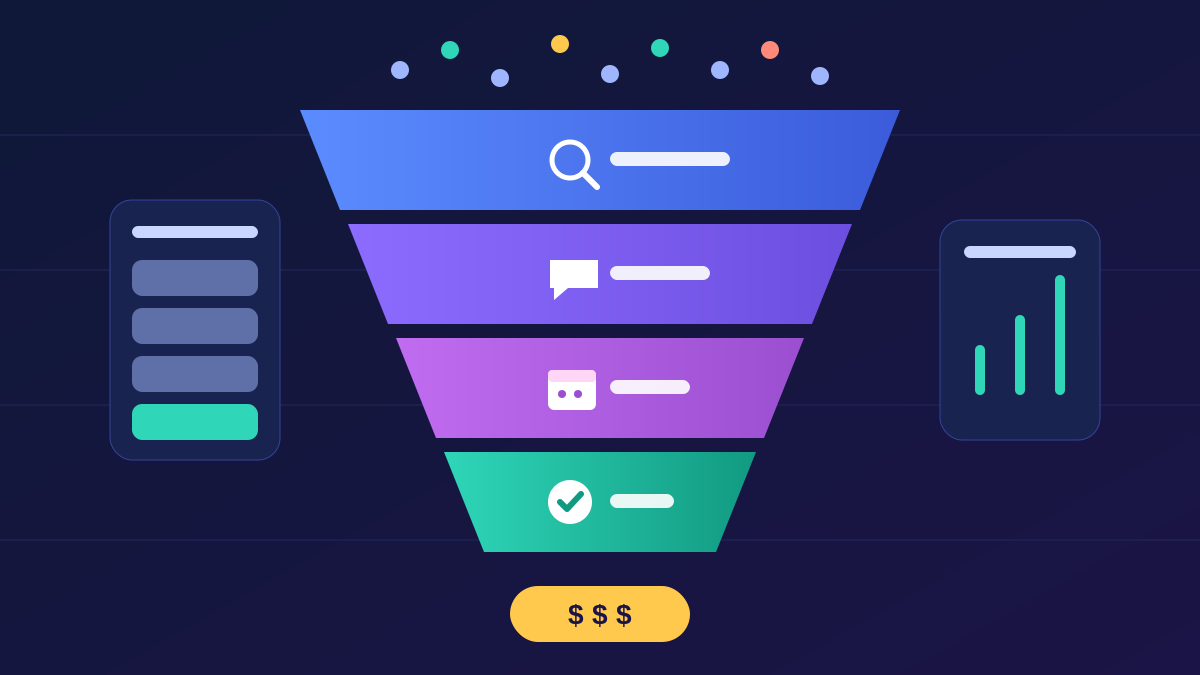
How a Remote Deal Unfolds
- Research and lead list. Finding companies and decision-makers that match the ideal customer profile.
- Outreach. Personalised LinkedIn messages, email sequences, cold calls or replies to inbound enquiries.
- Qualification. A short conversation to confirm that the prospect has a problem to solve, a budget and the authority to buy.
- Booking the meeting. Confirming a time that suits the prospect’s time zone and sending reminders to reduce no-shows.
- Consultation call and close. Diagnosing the situation, presenting the solution, handling objections and agreeing on terms.
- Follow-up. Further touchpoints with prospects who are not ready to decide straight away: a large share of deals close at this stage.
Where to Find Your First Employers
Start with LinkedIn: tailor your profile to a setter or closer role and message the founders of agencies, B2B SaaS companies, consultancies and online schools directly. Openings are also posted on Upwork and on dedicated remote job boards. A good strategy is to offer a trial week or a pilot project with clear metrics: the number of conversations, booked meetings and closed deals.
Important. Be wary of offers like “pay for training and we guarantee you a job”. Before taking on a commission-only role, check the company, its product and reviews from other sales reps, and set out the payout terms in a contract.
Conclusion
Remote sales lets you earn in the international market without a technical background: what matters is communication, discipline and an understanding of the sales process. Starting with appointment setting, you can gain experience within a few months, move on to closing deals and reach an income that depends directly on your results.