Affiliate Marketing: How to Earn Commissions by Promoting Other People’s Products Through Blogs, YouTube and Social Media
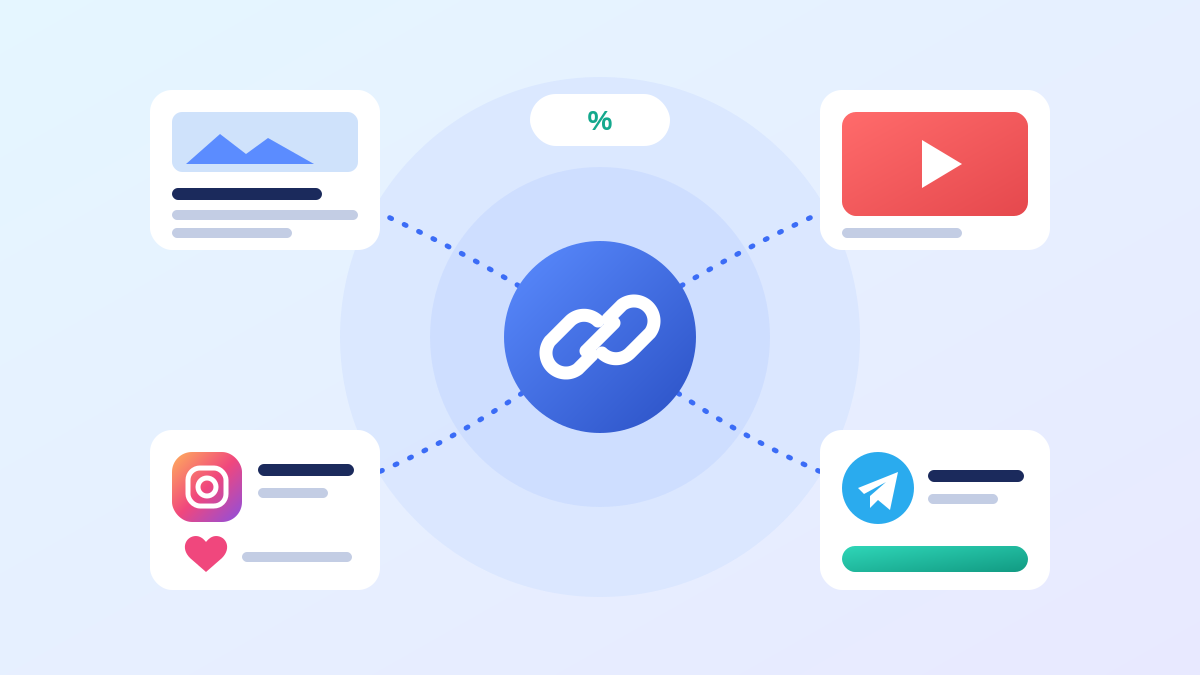
Affiliate marketing is a model in which you are rewarded for promoting other companies’ products and services. You do not need to create your own product, handle customer support or deal with logistics: your job is to attract an interested audience and recommend a solution that genuinely helps them. Here is how the affiliate model works, where to find programmes and how to build an income through a blog, YouTube and social media.
How Affiliate Marketing Works
An affiliate joins a partner programme and receives a unique link or promo code. When a user follows the link and completes a target action, such as a purchase, a sign-up or a subscription, the system records it using cookies or other attribution methods and credits the affiliate with a commission.
The main reward models are:
- CPS (Cost per Sale): a percentage of the sale amount. This is the typical model for online stores and info products.
- CPA (Cost per Action): a fixed payout for a target action such as a registration, an app install or an application.
- CPL (Cost per Lead): payment for a prospect’s contact details, common in finance and education niches.
- RevShare and recurring commissions: a share of the customer’s payments over a long period. Programmes from SaaS services with monthly subscriptions are especially lucrative.
Where to Find Affiliate Programmes
- Affiliate networks: Awin, Impact, CJ Affiliate, Admitad and other aggregators that bring together hundreds of advertisers.
- Marketplace programmes: for example, Amazon Associates for product reviews.
- Direct company programmes: many SaaS services, hosting providers, online schools and fintech products run their own affiliate dashboards.
- Digital product platforms: courses, templates and e-books are often sold with an affiliate commission for creators who recommend them.
When choosing a programme, consider the commission rate, cookie duration, minimum payout, withdrawal methods and, above all, the product’s reputation: only recommend what you would be comfortable standing behind in front of your audience.
Promotion Channels
Blog and website
A niche website brings in search traffic for years. Reviews, comparisons (“X vs Y”), round-ups (“the best tools for…”) and step-by-step guides convert best. The keys to success are SEO, expertise and regularly updated content.
YouTube
Video reviews, unboxings and tutorials earn a high level of trust because viewers see the product in action. Affiliate links go in the description and a pinned comment, and videos keep gaining views for months after publication.
Social media
Instagram, TikTok, Telegram channels and Pinterest work well for quick recommendations and curated lists. Consistency and a personal brand matter here: people buy from those they trust.
Getting Started Step by Step
- Choose a niche you understand that appeals to an audience with purchasing power.
- Pick your main channel and create useful content before adding any links.
- Select 2–3 affiliate programmes with high-quality products.
- Place links naturally, where a recommendation genuinely solves the reader’s problem.
- Track your metrics and scale the formats that work.
Metrics to Track
- CTR: the share of users who click the link.
- CR (conversion rate): the share of clicks that end in a target action.
- EPC (Earnings per Click): the average revenue per click, which helps you compare programmes.
Transparency. Always disclose affiliate links. In many countries, including the US and the EU, this is a direct requirement of regulators and of platforms’ advertising rules, and honesty with your audience is the foundation of long-term income.
Conclusion
Affiliate marketing is not a get-rich-quick scheme but a way of building a media asset that earns more and more commissions over time. Useful content, audience trust and careful product selection can turn a blog, a YouTube channel or a social media page into a steady source of income.